
Archived guidance. These guidelines were written in 2020 at the height of the COVID-19 pandemic. Much of the advice on home care, breathing, physiotherapy, and nutrition remains useful, but vaccination advice and hospital protocols may have changed. Always follow your doctor’s current advice.
The COVID-19 pandemic struck the world like a bolt from the blue. The disease was named COVID-19 in February 2020, and the World Health Organization (WHO) declared it a global pandemic in March 2020. Travel restrictions and limits on movement, together with the risk of infection, have made life very hard, especially for people with chronic conditions. Children and adults with spinal muscular atrophy (SMA) are among the worst affected, because they need constant, high-quality medical care and attention to live their lives to the full.
To help children with SMA through this difficult time, Cure SMA Foundation of India and its scientific advisors drew up guidelines for managing their special needs. The aim was to explain how to provide care at home, and how to recognise complications of the disease and act on them.
After several online meetings and telephone conversations, a task force was formed of physicians and surgeons from many specialities, all closely involved in the care of children with SMA across India, to address the aspects of care affected by the COVID-19 pandemic. After a brainstorming session with input from task force members and caregivers, the work was divided according to each member’s expertise. The information was collected and written at breakneck speed, which may have allowed errors to creep in. As a rule, the editor has tried to keep things simple and stay true to what the authors and contributors wrote. This is the first draft of these guidelines, and we are committed to improving them over time with more information and contributions from task force members.
With the arrival of disease-modifying treatments, which are currently available to only a very small number of children in India, there is new hope. Even so, the quality of life of these children depends above all on continued multi-specialty care from doctors and allied health professionals. The aspects of care affected by COVID-19 are set out by topic below.
Disclaimer
These guidelines are intended only to share general information and to guide caregivers and patients with spinal muscular atrophy during COVID-19. They were compiled from relevant information in the public domain, and they are not intended to replace professional medical advice, diagnosis, or treatment. Neither the contributors nor Cure SMA Foundation intend to make any commercial benefit or profit from this work. Cure SMA Foundation is not responsible for any reliance a reader places on these guidelines and shall not be liable for any loss or damage caused by such reliance. References and sources of information are given where applicable.
Guidelines by topic
Paediatric issues and vaccination
SMA is characterised by muscle weakness and wasting (atrophy), caused by the progressive degeneration and irreversible loss of the anterior horn cells in the spinal cord (the lower motor neurons) and the brainstem nuclei. Weakness can begin at any time from before birth to adulthood. It is symmetrical, affects the muscles closest to the trunk more than those further away (proximal more than distal), and is progressive. Poor weight gain with growth failure, restrictive lung disease, scoliosis, joint contractures, and sleep difficulties are common complications of SMA.
Nutrition and gastrointestinal issues
Bulbar dysfunction (weakness of the muscles used for chewing and swallowing) occurs in everyone with SMA I. It eventually becomes a serious problem for people with SMA II, and only very late in the course of the disease for those with SMA III. Gastrointestinal issues may include constipation, delayed emptying of the stomach, and potentially life-threatening gastro-oesophageal reflux with aspiration. In SMA I, gastrointestinal issues lead to growth failure. People with SMA II and III who cannot walk are at risk of obesity.
Breathing
Children with SMA I and II (and, more rarely, type III) have a progressive decline in lung function, caused by a combination of weak breathing muscles, reduced flexibility (compliance) of the chest wall and lungs, and reduced development of the alveoli (air sacs). Respiratory failure is the most common cause of death in SMA I and II. Reduced respiratory function leads to a weak cough that cannot clear secretions from the lower airways, hypoventilation (shallow breathing) during sleep, and repeated pneumonia.
Orthopaedic issues
Scoliosis, hip dislocation, and joint contractures are common complications of SMA. Scoliosis is a major problem for most people with SMA II and for half of those with SMA III. About 50% of affected children (especially those who cannot walk) develop a spinal curve of more than 50 degrees, which requires surgery, before the age of ten. Later in the course of the disease, people who cannot walk may develop thoracic kyphosis (a forward curve of the upper back).
Metabolic acidosis
An unexplained possible complication of SMA is severe metabolic acidosis, with dicarboxylic aciduria and low blood carnitine levels, during periods of other illness or prolonged fasting. It is not known whether these metabolic abnormalities are a direct or a secondary result of the underlying defect in SMA. Prolonged fasting should be avoided to prevent this complication. Pre-symptomatic individuals should be monitored for the development of symptoms, to decide when to start targeted and/or supportive therapies. People with SMA should be assessed at least every six months, and weaker children more often.
At each visit, the multidisciplinary review includes assessment of nutrition, breathing, and orthopaedic status (spine, hips, and joints). Prolonged fasting should be avoided, particularly in an infant with SMA who is acutely ill.
Supportive treatment of the features of SMA
| No. | Concern | Treatment / referral |
|---|---|---|
| 1 | Bulbar dysfunction leading to poor weight gain | Growth monitoring, placement of a gastrostomy tube, and nutritional supplements if needed. |
| 2 | Obesity | Regular body measurements and nutritional assessments, and dietary management. |
| 3 | Gastro-oesophageal reflux disease | Antacids and proton pump inhibitors. |
| 4 | Bowel dysfunction (constipation) | Stool softeners, prokinetics, osmotic agents, or laxatives as needed. |
| 5 | Respiratory insufficiency or failure | Referral to a paediatric pulmonologist: airway clearance techniques and secretion management; non-invasive ventilation, such as BiPAP; tracheostomy with mechanical ventilation if needed. |
| 6 | Orthopaedic issues (progressive scoliosis or hip dislocation) | Referral to a paediatric orthopaedic surgeon: standard orthopaedic and surgical treatment as needed. |
| 7 | Metabolic acidosis during other illness | Supportive care with early intravenous fluids and glucose. |
| 8 | Family support | Coordinate care to manage appointments with several specialists, equipment, medicines, and supplies. Make sure families have social support and are connected with local resources, respite, and support. Train caregivers to manage the patient’s care better. |
| 9 | Genetic counselling | Screening of pre-symptomatic newborns, preventing recurrence in the family, and prenatal diagnosis facilities. |
Vaccinations
Children with spinal muscular atrophy are at higher risk of serious infections. The most important points to remember are:
- These children should be offered all routine childhood vaccinations recommended by the Indian Academy of Pediatrics.
- There should be a special focus on pneumococcal vaccines and the annual influenza vaccine (CDC 2019).
- Routine vaccinations should not be delayed in children with SMA and should be completed at the right age, even during COVID-19. If possible, they should be given at home by a competent health worker, with all precautions.
- Vaccines produce a weaker immune response, are less effective, and protect for a shorter time in these children than in healthy children. So, if indicated, they may need vaccines with a higher antigen content or more doses.
Resources
- Mercuri E, Finkel RS, Muntoni F, Wirth B, Montes J, Main M, Mazzone ES, Vitale M, Snyder B, Quijano-Roy S, Bertini E, Davis RH, Meyer OH, Simonds AK, Schroth MK, Graham RJ, Kirschner J, Iannaccone ST, Crawford TO, Woods S, Qian Y, Sejersen T, et al. Diagnosis and management of spinal muscular atrophy: Part 1: Recommendations for diagnosis, rehabilitation, orthopedic and nutritional care. Neuromuscul Disord. 2018;28:103–15.
- Chng SY, Wong YQ, Hui JH, Wong HK, Ong HT, Goh DY. Pulmonary function and scoliosis in children with spinal muscular atrophy types II and III. J Paediatr Child Health. 2003;39:673–6.
- Kelley RI, Sladky JT. Dicarboxylic aciduria in an infant with spinal muscular atrophy. Ann Neurol. 1986;20:734–6.
- Centers for Disease Control and Prevention (CDC). General Recommendations on Immunization: Recommendations of the Advisory Committee on Immunization Practices (ACIP). MMWR. 2019;60:1–61.
- Prior TW, Leach ME, Finanger E. Spinal Muscular Atrophy. 2000 Feb 24 [Updated 2019 Nov 14]. In: Adam MP, Ardinger HH, Pagon RA, et al., editors. GeneReviews® [Internet]. Seattle (WA): University of Washington, Seattle; 1993–2020.
Genetic testing and counselling
Spinal muscular atrophy (SMA) is a genetic condition. It is one of the most common inherited neuromuscular disorders.
Understanding the genetics and inheritance
- SMA is inherited as an autosomal recessive condition. In most cases, this means an affected child has inherited a mutated copy of the SMN1 gene from each parent. The parents are carriers: they are unaffected, but have a mutation in one of their two copies of the SMN1 gene.
- Carriers are fairly common in the population, and an affected child is born when, by chance, two carriers have a child together.
- Carrier testing is not widely available. Few testing facilities and a lack of awareness make it almost impossible to screen for and detect carriers before an affected child is born.
- Moreover, because the risk of having an affected child is 25% when both partners are carriers, many such families never come to medical attention.
Genetic testing of a child during the COVID-19 pandemic
- Even during the pandemic, genetic testing should be carried out for every child suspected of having SMA.
- The test is done on a blood sample. If standard precautions are taken, there is very little chance of the virus being passed to the child during sampling, or to laboratory staff. Blood is collected in EDTA vials or vacutainer tubes.
- DNA is extracted from the blood, and the molecular test is done using the MLPA technique.
- In 95% to 98% of cases, a deletion of exon 7 (usually together with exon 8) is found in both copies of the SMN1 gene. MLPA is the right technique to detect this.
- Measuring the number of SMN2 copies by MLPA is important, as it has implications for the clinical outcome and for treatment.
- MLPA can also detect carrier status in the parents. In 2% of cases, the deletion in the second copy can be de novo. In 5% to 8% of carriers, both normal copies of exon 7 can be on one copy of the gene while the other copy has the deletion. This complicates carrier testing and the interpretation of its results.
- Rarely, other molecular techniques are needed to confirm SMA.
Genetic testing to prevent SMA recurring in a family
- Any medical procedure carries a risk of passing the virus to the patient and to health workers. Couples are advised to take standard precautions to avoid pregnancy during the pandemic.
- If a couple who already have a child with SMA (confirmed by a molecular test) become pregnant, the risk of having another affected child is 25%.
- Chorionic villus sampling (CVS) is recommended at 11 to 12 weeks of pregnancy to find out whether the unborn baby is affected. If the fetus is affected, the couple can choose a medical termination of pregnancy (MTP).
- During the pandemic, centres for the procedure and for testing may be difficult to reach. Very few centres, such as SGPGIMS Lucknow, AIIMS New Delhi, and Sir Ganga Ram Hospital, do both the procedure and the testing in one place.
- Because of travel restrictions, families may need to find a local centre for the procedure and counselling, and send the sample to a reliable centre for testing. Step by step:
- Confirm the pregnancy with a urine pregnancy test or ultrasound.
- Contact the Cure SMA India helpline, and/or use the e-OPD or teleconsultation services of reliable centres (SGPGIMS Lucknow, AIIMS New Delhi, Sir Ganga Ram Hospital, CMC Vellore, NIMS Hyderabad, etc.).
- Have the procedure done at a local centre that offers CVS or other antenatal procedures, and send the sample to a reliable centre or private laboratory, preferably the one that tested the affected child in the same family.
- Send the results back to the centre or doctor who did the procedure, for counselling and further action. If there are any doubts, the testing centre can also give an opinion by teleconsultation, in addition to counselling.
Resources
- Ogino S, Wilson RB. Genetic testing and risk assessment for spinal muscular atrophy (SMA). Hum Genet. 2002;111:477–500.
- Bussaglia E, Clermont O, Tizzano E, Lefebvre S, Bürglen L, Cruaud C, Urtizberea JA, Colomer J, Munnich A, Baiget M, Melki J. A frame-shift deletion in the survival motor neuron gene in Spanish spinal muscular atrophy patients. Nat Genet. 1995;11:335–7.
- Scarciolla O, Stuppia L, De Angelis MV, Murru S, Palka C, Giuliani R, Pace M, Di Muzio A, Torrente I, Morella A, Grammatico P, Giacanelli M, Rosatelli MC, Uncini A, Dallapiccola B. Spinal muscular atrophy genotyping by gene dosage using multiple ligation-dependent probe amplification. Neurogenetics. 2006;7:269–76.
- Verhaart IEC, Robertson A, Wilson IJ, Aartsma-Rus A, Cameron S, Jones CC, Cook SF, Lochmüller H. Prevalence, incidence and carrier frequency of 5q-linked spinal muscular atrophy – a literature review. Orphanet J Rare Dis. 2017;12:124.
- Wirth B, Schmidt T, Hahnen E, Rudnik-Schöneborn S, Krawczak M, Muller-Myhsok B, Schonling J, Zerres K. De novo rearrangements found in 2% of index patients with spinal muscular atrophy: mutational mechanisms, parental origin, mutation rate, and implications for genetic counseling. Am J Hum Genet. 1997;61:1102–11.
- Personal opinion and literature search by Dr. Kausik Mandal.
Respiratory care
Respiratory care is one of the mainstays of managing children with SMA.
Why children with SMA have breathing complications
In SMA, the intercostal muscles (between the ribs) are very weak, while the diaphragm is relatively stronger. The diaphragm is the main muscle used for breathing in children with SMA type 1 or 2. In the first year of life, the chest wall is very flexible. Because the weak intercostal muscles cannot balance the pull of the diaphragm, the chest wall in children with SMA type 1 or 2 often looks collapsed. The resulting chest wall deformities include a bell-shaped chest and pectus excavatum (a sunken breastbone). The weak breathing muscles lead to:
- A weak cough, so secretions are not cleared well from the lower airways;
- Hypoventilation (shallow breathing) during sleep;
- Underdevelopment of the chest wall and lungs; and
- Repeated infections, which worsen muscle weakness and damage the lung tissue.
These recommendations have been developed from the general principles above, with the goal of keeping patients safe while managing the airway in a timely, efficient, and effective way.
Home care
The following recommendations are for the routine care of all patients with SMA (2, 3, and 4).
- If the child is on regular inhaled medicine, it should be continued at the same dose.
- The pandemic is not a reason to stop inhaled steroid therapy if the child is already on it (3, 4).
- Keep a good stock of reliever inhalers. If a spacer is used, make sure it is new or recent.
- In COVID-19, children can have what is called “happy hypoxia”, where oxygen saturation drops unexpectedly without the child showing any signs of breathing difficulty (5, 6).
- Know your child’s normal oxygen saturation. Until the pandemic is over, check the oxygen saturation twice a day, even if there are no symptoms or fever (6–9).
- If the child has a fever, check the oxygen saturation every four hours, and more often if the child has any distress or cough (2, 9).
Pulse oximetry
Pulse oximetry is widely used to monitor oxygen levels. It gives early warning of hypoxaemia (low blood oxygen), so it can lead to quicker treatment of serious hypoxaemia and may help avoid serious complications.
Recommendations for patients with SMA (1, 2, 5, 10):
- Check twice a day, morning and evening, and keep a chart.
- Check every four hours if the child has a fever and cough.
- A drop of more than 10 percent below the child’s baseline value should be considered significant.
- If saturation stays below that level, the child needs oxygen immediately until they can be assessed.
Pulse oximetry is an important tool for assessing and monitoring SMA types 1 and 2, because diffuse muscle weakness masks the usual signs of breathing difficulty. In fact, a child with SMA type 1 may turn visibly blue (cyanotic) before there is any change in breathing rate or effort. Often, in the early phase of an illness, a child with SMA type 1 or 2 may also have a fast heart rate (tachycardia).
Secretion mobilisation and clearance
- The key to long-term management is talking with the family about their goals for their child’s care, and offering them choices.
- Long-term management involves teaching families techniques to support their child’s breathing.
- These include ways to loosen and clear airway secretions, and to support breathing.
- Secretions can be loosened with manual or mechanical chest physiotherapy and postural drainage.
- Cough techniques include manual cough assistance and mechanical insufflation–exsufflation with the CoughAssist (Respironics, Murrysville, PA).
- For SMA type 1, the guideline is to do airway clearance twice a day when the child is well. For SMA type 2, the guideline is to do airway clearance as needed when the child is well.
- The cough assist machine should be used as often as needed. Children with SMA type 3 may need airway clearance after surgery and during serious illness.
- Assisted coughing is a critical part of respiratory care for people with SMA, and may be the only way they can cough and clear secretions.
- Pressures should be high enough to loosen secretions (for example, inhale and exhale pressures of at least 30 cm H2O, and ideally up to 40 cm H2O).
University of Wisconsin protocol
The protocol used at the University of Wisconsin, to be adapted for patients with SMA, is as follows:
- Cough assist machine, 4 sets of 5 breaths, followed by oral suctioning of secretions
- Loosening of secretions with manual or mechanical chest physiotherapy
- Cough assist machine, 4 sets of 5 breaths, and oral suctioning
- Postural drainage (Trendelenburg position) for 15 to 20 minutes, as tolerated
- Cough assist machine, 4 sets of 5 breaths, and oral suctioning
Access to cough assist devices should be considered part of the routine care of children with SMA, especially during the pandemic. Three theories have been proposed to explain why breathing improves with respiratory assist devices: they rest chronically tired breathing muscles, reverse microatelectasis (collapse of tiny areas of the lung), and reset the body’s CO2 set point.
Home oxygen and non-invasive ventilation
Recommendations (1, 2, 7, 9):
- Patients already on home oxygen and non-invasive ventilation (NIV) should continue it.
- Any support needs to be stepped up during another illness.
Respiratory support
The short-term goals of NIV are:
- Relief of breathing symptoms;
- Less work of breathing;
- Better or stable gas exchange; and
- The patient’s comfort.
The long-term goals of NIV are:
- Longer and better sleep;
- The best possible quality of life;
- Better day-to-day functioning; and
- Longer survival.
In studies of people with neuromuscular weakness and chronic respiratory failure, using NIV improves PCO2. The usual reasons for starting NIV at home are hypoventilation, shown by low oxygen saturation on pulse oximetry and raised PCO2, or obstructive sleep apnoea.
Additional reasons for NIV in SMA during the COVID-19 pandemic:
- Respiratory failure during a viral respiratory infection (VRI).
- The virus worsens SMA weakness and, together with the heavy respiratory secretions it causes, increases the risk of respiratory failure.
Nebulisation
- The COVID-19 pandemic demands stricter infection control. Nebulisers produce aerosol particles of 1–5 microns, which can carry bacteria and viruses deep into the lungs. The risk of spreading infection through droplet nuclei and aerosols may rise during nebuliser treatment, because it can produce a large volume of respiratory aerosols that may travel further than they would naturally (2, 3, 4).
- During the COVID-19 pandemic, nebulisers have the potential to spread viable SARS-CoV-2 virus to people nearby who may be susceptible. Based on the available evidence, the WHO continues to recommend droplet and contact precautions for people caring for COVID-19 patients. The WHO also continues to recommend airborne precautions in circumstances and settings where aerosol-generating procedures and supportive treatments are carried out, according to a risk assessment (3).
Nebulisers and the risk of infection
Opinion differs on how much risk nebulisers pose, because the aerosol they generate comes from the medicine in the nebuliser chamber and not from the patient. One study has shown that SARS-CoV-2 remains stable in aerosols, but it is not known whether this applies to clinical situations outside the laboratory (4).
Scenario 1: A patient with SMA with a likely mild respiratory illness due to allergies or a virus-induced wheeze
- Check SpO2.
- Give salbutamol by metered-dose inhaler (MDI), 4–10 puffs, with a gap of 15 minutes to 1–2 hours between doses, until symptoms resolve and SpO2 improves (to more than 94%).
- Give three doses of ipratropium.
- A short course of oral corticosteroids can be given.
- Consider nebulisation next if saturation stays below 94%, with worsening symptoms and an altered mental state.
- Nebulise in a well-ventilated room. The carer should wear a proper mask, leave the room, and wait outside until nebulisation is over.
- Elderly family members should not enter the room at all.
- Monitor saturation during nebulisation.
If the patient is sick enough to be admitted to hospital and needs nebulisation, they should be moved to a single room for it. Health workers, nurses, and the patient’s attendant should wear masks, goggles, and face shields.
Scenario 2: A patient with SMA with a likely chest infection that could be COVID-19
COVID-19 may be suspected from the examination and a focused history, including travel history and history of contact. If so, and nebulisation is needed, the following should be maintained:
- The patient should be in an airborne infection isolation room. All hospitals with isolation facilities should preferably create a negative-pressure room.
- All staff and health workers should wear full PPE, including N95 masks, goggles, gloves, gown, and face shield.
- All non-essential staff should leave the room during nebulisation.
- Some experts suggest not re-entering the room for 2–3 hours after nebulisation.
Standard procedure for nebulisation in children during the COVID-19 pandemic, to be treated as good practice from now on (5, 6, and 7)
- Assess every patient carefully and do not nebulise unnecessarily.
- Do not use nebulisers that are shared between patients with the same tubing and mask.
- Do not nebulise a suspected COVID-19 patient in the emergency room unless isolation facilities and/or a negative-pressure room are available. Use salbutamol by MDI until the patient can be moved.
- Health workers and the patient’s attendant should use full PPE (N95 mask, face shield, goggles, and gown) during nebulisation of suspected COVID-19 patients, and isolation procedures should be followed.
- From now on, nebulisation should not be done in the outpatient department or emergency room, even for low-risk patients. During community transmission, a child may have no symptoms but can easily pass the infection to health workers. An MDI with a spacer should be used when emergency relief of bronchospasm is needed. There is no evidence that nebulisation delivers the medicine better in these patients.
- Before deciding that a child is not responding to an MDI with a spacer, always check the patient’s spacer, how the medicine is given and used, and whether the device is being washed properly. A poor response to an MDI with a spacer is often due to incorrect use, and does not mean the child needs home nebulisation, except in selected cases.
- Where home nebulisation is given in selected cases, the carer must be properly trained to clean the nebuliser regularly.
Resources
- Schroth MK. Special considerations in the respiratory management of spinal muscular atrophy. Pediatrics. 2009;123 Suppl 4:S245–S249. doi:10.1542/peds.2008-2952K
- WHO Interim Guidance: Infection prevention and control during health care for probable or confirmed cases of novel coronavirus (nCoV) infection (PDF) (www.who.int/csr/disease/coronavirus_infections/ipcncovguidance_06May13.pdf).
- https://www.who.int/news-room/commentaries/detail/modes-of-transmission-of-virus-causing-covid-19-implications-for-ipc-precaution-recommendations
- Minnesota Department of Health. Health Advisory: COVID-19 Infection Prevention and Control in Healthcare (PDF) (www.health.state.mn.us/communities/ep/han/2020/mar13ic.pdf); https://www.health.state.mn.us/diseases/coronavirus/hcp/aerosol.pdf
- van Doremalen N, et al. Aerosol and Surface Stability of SARS-CoV-2 as Compared with SARS-CoV-1. N Engl J Med. 2020 March. doi:10.1056/NEJMc2004973 (www.nejm.org/doi/full/10.1056/nejmc2004973).
- CDC. Interim Infection Prevention and Control Recommendations for Patients with Confirmed Coronavirus Disease 2019 (COVID-19) or Persons Under Investigation for COVID-19 in Healthcare Settings (www.cdc.gov/coronavirus/2019-ncov/infection-control/control-recommendations.html).
- https://www.childrens.health.qld.gov.au/research/education/queensland-paediatric-emergency-care-education/optimus-bonus/
- Boast A, Munro A. COVID-19 and Children: What Do You Need to Know? [online] Don’t Forget the Bubbles, 2020. Available at: https://dontforgetthebubbles.com/covid-19-children-need-know/ [Accessed 16 March 2020].
- Jubran A. Pulse oximetry. Crit Care. 2015;19(1):272. Published 16 July 2015. doi:10.1186/s13054-015-0984-8
- Oskoui M, Levy G, Garland CJ, et al. The changing natural history of spinal muscular atrophy type 1. Neurology. 2007;69(20):1931–1936.
- Personal opinion and literature search by Dr. Sanjukta De.
Spinal deformity: monitoring and correction
Monitoring spinal deformity
Points to keep in mind:
- These children need continuous monitoring for spinal deformity. It is well known that there is about an 80% chance of children with SMA developing scoliosis that needs surgery.
- X-rays at regular intervals are the universally accepted standard of care.
- However, during the COVID-19 pandemic, these children should be monitored for clinical signs that the deformity is progressing. The best way to judge this, in children who cannot walk (wheelchair users), is whether they can sit comfortably and hold an upright posture.
- If the child’s sitting balance gets worse, or they become uncomfortable when sitting for long, suspect that the spinal deformity is progressing.
- Worsening sitting comfort and tolerance should be treated as a sign that scoliosis or kyphosis is progressing, unless proved otherwise.
- Parents should also look out for a growing hump on the back. This is easy to spot by looking down at the seated child from above their head. A prominence of the back, usually on one side, is an important clue to how much spinal deformity there is.
Bracing
- Bracing is commonly used for scoliosis in children with SMA. Growing children often outgrow their brace, so it needs regular adjustment.
- If the brace is not adjusted, it will fit poorly and may cause pressure sores over the bony parts of the body.
- Parents and caregivers should regularly seek advice from an orthotist, preferably by sharing pictures online, so that the brace can be adjusted as needed.
Surgery
Routine surgery should be postponed during the pandemic. However, a condition that needs urgent surgery should be discussed with a spine surgeon as needed. Last but not least, it should be borne in mind that COVID-19 is unlikely to fade away in the near future. Parents and caregivers should therefore be given every reassurance, with the understanding that the social distancing and lifestyle changes suggested by published guidelines from time to time must be put into practice. This is essential if society is to truly overcome this pandemic.
Resources
- Chhabra HS, et al. COVID-19: Current Knowledge and Best Practices for Orthopaedic Surgeons. Indian Journal of Orthopaedics, 2020.
- Wijngaarde CA, et al. Natural course of scoliosis and lifetime risk of scoliosis surgery in spinal muscular atrophy. Neurology, 2019. 93(2): p. e149–e158.
- Basu S. Impact of COVID-19 on spine surgery: How can we work towards evolving best practices. Indian Spine Journal, 2020. 3(2): p. 129–130.
Physiotherapy
Introduction
This section gives interim guidance on the standard of physiotherapy for patients with SMA, both at home and in hospital. It is meant for physiotherapists, and for the parents and caregivers of children with spinal muscular atrophy, so that children receive the standard of care they need to manage their disabilities while staying safe from COVID-19 infection. The COVID-19 pandemic has made life difficult for people in our country and across the world for several months now. It is important to understand that children with disabilities and other special needs are facing an additional crisis, because the pandemic has stopped many of them from receiving their usual medical care. People with SMA often have difficulty with basic functions of life, such as walking, eating, swallowing, and breathing. The recommended standard of care for SMA is therefore complex and comprehensive. It involves a multidisciplinary team, including a paediatric neurologist, paediatric pulmonologist, orthopaedic surgeon, clinical psychologist, dietitian or nutritionist, paediatric physiotherapist, occupational therapist, and orthotist and prosthetist. The paediatric physiotherapist plays a vital role in helping a person with SMA function as well as possible.
The role of physiotherapy
Physiotherapy for patients with SMA takes a multimodal approach to the many symptoms described above, and preventing infection is also a very important part of the standard of care. Physiotherapists aim to make the most of the patient’s abilities: maintaining muscle strength, improving muscle tone, keeping the full range of movement of the joints, preventing tightness, contractures, and deformities caused by muscle imbalance, restoring body balance and equilibrium, improving fine motor skills so the patient stays as independent as possible in daily activities, and, most importantly, keeping the airways clear and breathing as good as possible.
A multimodal physiotherapy approach
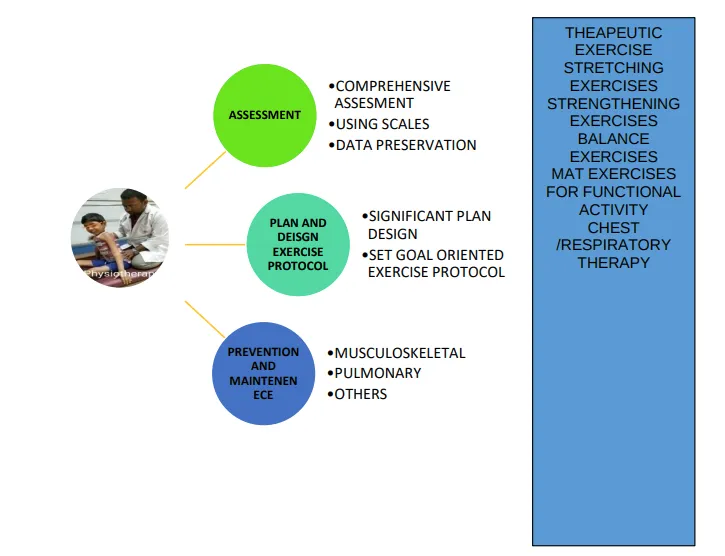
Safer access to physiotherapy
Standard precautions are work practices applied to every patient receiving physiotherapy in a health facility, whatever their diagnosis or presumed infection status, to minimise the risk of spreading infection in all situations. Standard precautions reduce the chance of infection passing between physiotherapist and patient, and from patient to patient. Physiotherapy settings for patients with SMA should therefore be infection-free, designed to prevent falls, and barrier-free [8], [1], [7].
Hospital-based resources: recommendations
Outpatient physiotherapy services
- Appointments at fixed times.
- A separate entrance and corridor to the physiotherapy area, only for children with special needs.
- The paediatric rehabilitation unit should be completely separate from COVID-19 and other highly infectious disease wards.
- Physiotherapists and all health workers in the paediatric rehabilitation unit must have their health monitored regularly (body temperature, respiratory rate, heart rate, and SpO2), and the results documented thoroughly.
- No one (physiotherapist or patient) from a containment zone, as declared by the state government, should be allowed into the paediatric rehabilitation unit for children with special needs until a new government order is issued.
- Barrier-free design for wheelchair access, such as ramps and lifts, must be provided separately, only for children with disabilities.
- Flooring should be non-slip, and toilets must be suitable for patients with disabilities.
- All furniture and therapy equipment must be disinfected with a disinfectant such as 70% isopropanol or 1% sodium hypochlorite, according to infection control protocols.
- Therapists must wear personal protective equipment as per guidelines, and disinfect themselves after seeing each child.
Recommendations for patients and physiotherapists
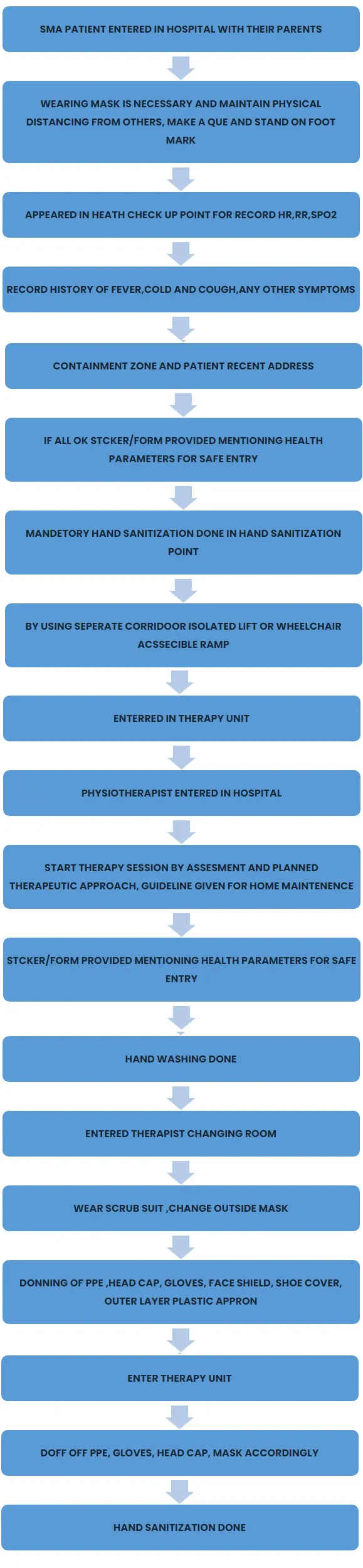
- The patient with SMA arrives at the hospital with their parents.
- Everyone wears a mask, keeps physical distance from others, and queues standing on the floor markings.
- At the health check point, heart rate, respiratory rate, and SpO2 are recorded.
- Any history of fever, cold, cough, or other symptoms is recorded.
- The patient’s recent address is checked against containment zones.
- If all is well, a sticker or form showing the health readings is given for safe entry.
- Hands must be sanitised at the hand sanitisation point.
- The patient goes to the therapy unit by a separate corridor, an isolated lift, or a wheelchair-accessible ramp.
- The patient enters the therapy unit.
- The physiotherapist enters the hospital.
- The therapy session starts with an assessment and a planned therapeutic approach, and guidance is given for care at home.
- A sticker or form showing the health readings is given for safe entry.
- Hands are washed.
- The physiotherapist enters the therapists’ changing room.
- They put on a scrub suit and change their outside mask.
- They put on PPE: head cap, gloves, face shield, shoe covers, and an outer plastic apron.
- They enter the therapy unit.
- They take off the PPE, gloves, head cap, and mask in the right order.
- Hands are sanitised.
Inpatient physiotherapy services
- Patients can receive physiotherapy in the inpatient department as and when needed. The physiotherapist assesses the patient and sets up a specific protocol in consultation with the paediatric consultant.
- Therapists must wear personal protective equipment and disinfect themselves after seeing each patient.
- Physiotherapists working in the inpatient paediatric unit must remove their PPE and put on new PPE before entering the outpatient unit, and vice versa.
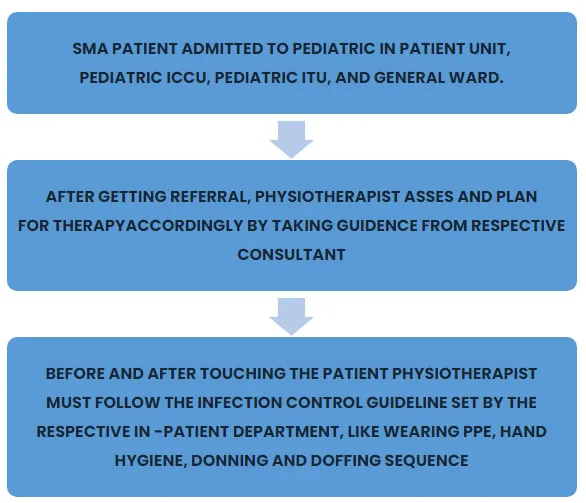
- The patient with SMA is admitted to a paediatric inpatient unit, paediatric ICCU, paediatric ITU, or general ward.
- After a referral, the physiotherapist assesses the patient and plans therapy, with guidance from the consultant concerned.
- Before and after touching the patient, the physiotherapist must follow the infection control guidelines set by the inpatient department, such as wearing PPE, hand hygiene, and the right order for putting on and taking off PPE.
Home-based physiotherapy
- Physiotherapists should monitor their own health (body temperature, respiratory rate, heart rate, and SpO2) and document it thoroughly.
- It is better to teach parents the techniques and measures again.
- A separate room must be set aside for exercise.
- All exercise equipment must be cleaned with soap and water or a disinfectant.
- A proper area for removing PPE must be set up for after treatment.
- Physiotherapists must guide parents and caregivers on personal hygiene and the correct use of masks and PPE during therapy at home.
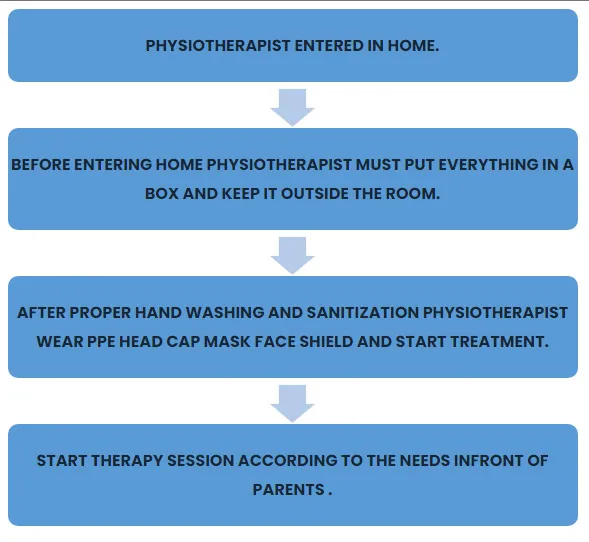
- The physiotherapist arrives at the home.
- Before entering, the physiotherapist must put all their belongings in a box and keep it outside the room.
- After washing and sanitising their hands properly, the physiotherapist puts on PPE, a head cap, a mask, and a face shield, and starts treatment.
- The therapy session follows the child’s needs, with the parents present.
Physiotherapy with social distancing
Where there is a will, there is a way. During the pandemic, the main focus should be on stopping the spread of infection, to protect patients with other health conditions. Standard precautions are the main way to minimise the spread of germs in health facilities. They should be followed for every patient, whatever their infection status. They are used to avoid contact with blood, body fluids, secretions, and excretions (whether or not visibly contaminated with blood), broken skin, and mucous membranes. One of the best options is to use online tools, such as video consultations or videos demonstrating the specific exercises a patient needs.
- Video consultations using a suitable app.
- Sharing exercise routines on video through social media.
- Demonstrating exercises to parents on a model, behind a transparent plastic or fibreglass barrier.
“Physiotherapists assess, plan and implement rehabilitative programs that improve or restore human motor functions, maximize movement ability, relieve pain syndromes, and treat or prevent physical challenges associated with injuries, diseases and other impairment” (WHO).
Age-specific assessment scales for SMA [9]:
- HINE (Hammersmith Infantile Neurological Examination): for infants aged 2 to 24 months.
- CHOP INTEND (Children’s Hospital of Philadelphia Infant Test of Neuromuscular Disorders): for ages 3 months to 21 years.
Other aspects to discuss
- Conventional therapies
- Chest physiotherapy
- Breathing exercises
- Equipment needed at home
Conclusion
Physiotherapy must continue even during the COVID-19 pandemic. We must follow certain rules and maintain the utmost hygiene and care for patients with SMA, to protect them not only from COVID-19 but from other infections too. The recommendations above can help develop a standard protocol of care that avoids infection, so that patients can live their lives without fear.
Resources
- Ministry of Health and Family Welfare, Government of India. COVID-19 guidelines, published online. https://www.mohfw.gov.in/, last accessed on 5 May 2020.
- Turolla A, Rossettini G, Viceconti A, Palese A, Geri T (2020). Musculoskeletal Physical Therapy During the COVID-19 Pandemic: Is Telerehabilitation the Answer? Physical Therapy (APTA journal), Oxford University Press, published 17 April 2020.
- Falvey JR, Krafft C, Kornetti D (2020). The Essential Role of Home- and Community-Based Physical Therapists During the COVID-19 Pandemic. Physical Therapy (APTA journal), vol. 100, issue 7, 1058–1061.
- Lefebvre S, Bürglen L, et al. (1995). Identification and characterization of a spinal muscular atrophy-determining gene. Cell, 80: 155–65.
- Wang CH, Finkel RS, Bertini ES, Schroth M, et al. (2007). Participants of the International Conference on SMA Standard of Care. Consensus statement for standard of care in spinal muscular atrophy. J Child Neurol. 2007 Aug; 22(8): 1027–49.
- Salem Y, Gropack SJ (2010). Aquatic therapy for a child with type III spinal muscular atrophy: a case report. Physical & Occupational Therapy in Pediatrics, Nov 2010, vol. 30(4).
- Lal H, Sharma DK, Maini L (2020). Out Patient Department practices in orthopaedics amidst COVID-19: The evolving model. J Clin Orthop Trauma. Jul–Aug; (4): 700–712, 18 May 2020.
- WHO. Interim recommendations on obligatory hand hygiene against transmission of COVID-19. https://www.who.int/who-documents-detail/interim-recommendation-on-obligatory-hand-hygiene-against-transmission-of-covid-19, accessed online on 5 May 2020.
- Patterson K, DeMark Thompson A (2018). The Role of Therapy in Your Child’s Life: Being a Part of the Team! Annual Cure SMA Conference 2018, www.curesma.org.
Dietary guidelines
Nutrition plays a very important role in managing SMA. The more severe the type of SMA, the more likely a person is to have nutrition-related health problems, including difficulty with feeding, chewing, and swallowing, and reflux. These can lead to undernutrition, with many nutrient deficiencies. The other major nutrition issue is weight gain, because of reduced physical activity and movement. Regular diet counselling with a nutritionist is essential to overcome feeding problems, manage weight, and keep blood test results in range. But during the COVID-19 pandemic, it is difficult to see health professionals regularly. So, nutrition guidelines are essential for managing diet-related problems at home.
Good dietary practices
A balanced diet is important for good health. An ideal balanced diet provides carbohydrates, protein, fat, vitamins, and minerals in the right proportions.
- Carbohydrates are energy-giving foods. The body needs energy to maintain its metabolism, and to support physical activity and growth. Sources: all types of cereals, such as rice, flaked rice, puffed rice, atta, oats, dalia, bread, cornflakes, millets, jowar, and bajra.
- Protein helps growth and development. Dietary protein provides the amino acids the body uses to make its own proteins and to replace those that are broken down. Protein is essential for people with SMA to build muscle mass. Sources: fish, chicken, eggs, pulses, and milk and milk products.
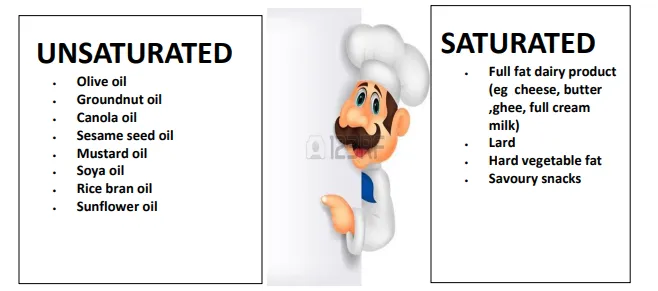
- Fat provides energy and helps the body absorb fat-soluble vitamins. Since fat is very high in energy, only a small amount is needed. Sources: all types of cooking oil, butter, and ghee.
- Vitamins and minerals are needed in very small amounts. All vitamins and minerals are essential for survival and for muscle movement, but the emphasis should be on calcium and vitamin D, which build strong bones.
- Sources of vitamin D are eggs, sea fish, and fortified breakfast cereals. The body can also make some vitamin D in the skin using sunlight.
- Sources of calcium are milk and milk products, small fish, and leafy vegetables.
- Vitamin C and zinc are important for immunity. Sources are all kinds of fruits and vegetables.
- A diet rich in fibre is recommended to keep the gut moving and reduce constipation. Sources are green leafy vegetables and fruits.
- Enough fluids are needed to stay hydrated and keep the gut moving.
- Extra sugar and salt must be avoided, to prevent obesity-related complications such as diabetes and high blood pressure.
Weight management
Each person’s calorie needs depend on their weight and physical activity. The aim is to limit foods that cause weight gain, for example:
- Limit the amount of rice or roti and cooking oil.
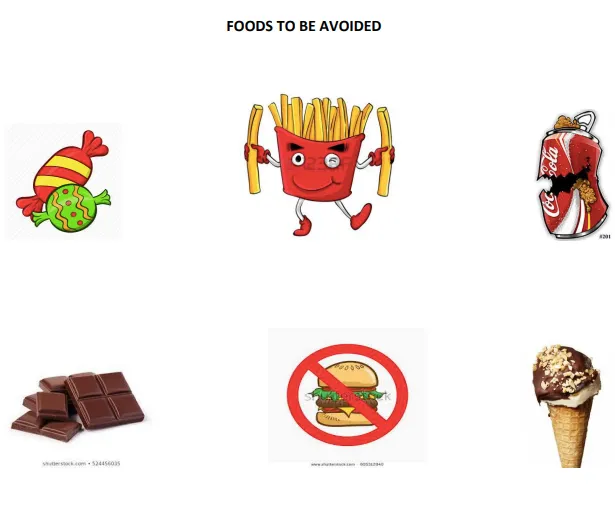
- Avoid fried and junk foods, ghee, butter, sugar, honey, sweets, chocolates, colas, candies, and packaged or canned foods.
- Give whole fruit instead of fruit juice.
- Read the labels of all packaged foods to avoid added sugar, trans fats, and extra salt.
Rules to minimise reflux and other gastrointestinal complications
- Easily digestible food is the key to avoiding reflux. Low-fat, rice-based foods are best.
- Avoid irritating and sticky foods, such as chocolate, peppermint, spicy and deep-fried foods, citrus fruits, cheese, and cola.
- Fasting is not advised.
- Give small meals throughout the day.
- Constipation must be avoided to prevent indigestion. Include green vegetables and fruits in the daily diet, and make sure the child drinks enough fluids for proper digestion.
- Make food soft and cut it into small pieces to avoid problems with chewing and swallowing.
Preventing aspiration
- If there is a risk of aspiration, stop giving thin, clear liquids such as water and juices.
- For those who cannot sit properly, raise the head of the bed to an angle of 20–30 degrees during feeding to prevent choking.
- Give semi-solid, easily digestible food.
Use of supplements
If there are severe feeding difficulties, supplements must be given, either by mouth or through a GI tube. In Western countries, an AA diet (a supplement of free amino acids, which the body can absorb directly to build muscle without the extra work of breaking down dietary protein) has been shown to improve the health of patients with type 1 and type 2 SMA.
Here, we can suggest Peptamen Junior (a semi-elemental, peptide-based formula) for children aged 1 to 13 years, for better nourishment. For patients with severe type 1 SMA, Alfamino (an amino acid formula) can be given along with breast milk. However, more evidence-based research is needed to establish how effective these supplements are.



Sample menu for a day
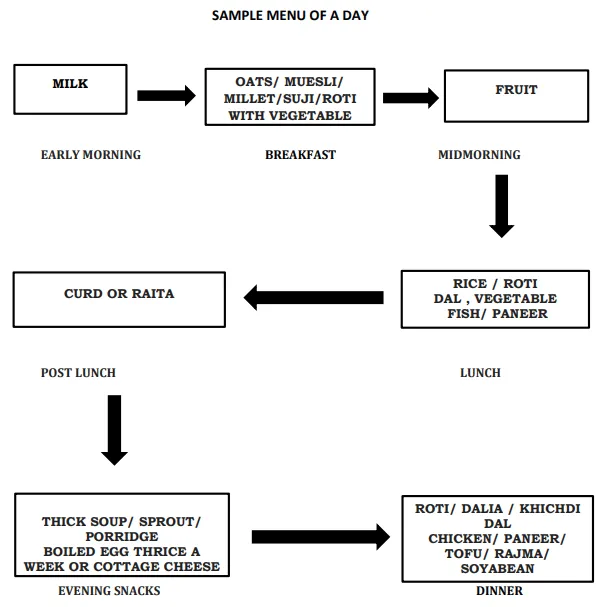
| Meal | Food |
|---|---|
| Early morning | Milk |
| Breakfast | Oats, muesli, millet, suji, or roti with vegetables |
| Mid-morning | Fruit |
| Lunch | Rice or roti, dal, vegetables, and fish or paneer |
| After lunch | Curd or raita |
| Evening snack | Thick soup, sprouts, or porridge; a boiled egg three times a week, or cottage cheese |
| Dinner | Roti, dalia, or khichdi, dal, and chicken, paneer, tofu, rajma, or soyabean |
Resources
- What is Amino Acid diet for SMA, by Mary Bodzo.
- Diet and Spinal Muscular Atrophy: current guideline from the UK.
- Davis RH, et al. Nutritional Practices at a Glance: Spinal Muscular Atrophy Type 1 Nutrition Survey Findings. J Child Neurol. 2014 November;29(11):1467–1472. doi:10.1177/0883073813503988
- Clinical Dietetics Manual, Indian Dietetic Association.
- Sproule DM. General Nutrition Guideline for SMA Children. Spinal Muscular Atrophy Clinical Research Center, Columbia University.
Safe practices for caregivers
Children with spinal muscular atrophy are at high risk of infection. Caregivers face many challenges in caring for their children with SMA at present. The main challenge is striking and keeping a balance between ongoing therapies, social distancing, doctor visits, and the constant fear of their child getting infected.
Priority 1: Caring for the caregivers
First and foremost, caregivers should protect themselves from infection. The World Health Organization (WHO) guidelines need to be followed strictly:
- Clean your hands regularly with an alcohol-based hand rub, or wash them with soap and water.
- Keep a safe distance of at least one metre (3 feet) from others whenever you go out.
- Avoid social gatherings and crowded places.
- Avoid touching your face, nose, and eyes.
- Self-isolate if you have even minor symptoms, such as cough, headache, or fever.
- Call your local health authorities if you have symptoms.
- Follow respiratory hygiene: if you sneeze or cough, cover your mouth and nose with a bent elbow or a tissue.
- Keep up to date with the latest information on the pandemic from trusted sources, such as the WHO and local and national health authorities.
- Work from home if possible.
- Disinfect assistive devices, such as wheelchairs, orthoses, and walkers, often.
Priority 2: General measures for the child’s wellbeing
- Home visits by physiotherapists should ideally be avoided; advice by phone or video call can help instead.
- Keep at least one month’s supply of medicines and ventilator equipment.
- Use online, phone, or app-based services to have medicines and groceries delivered to your home, to reduce contact with other people.
- If your child is being treated with nusinersen (Spinraza) or is enrolled in a compassionate access programme, the treatment should never be stopped.
- Discuss with your doctors how to continue treatment safely. For example, if an oral medicine is being given, a longer supply can be provided so that frequent hospital visits are avoided.
- Get to know your ventilator or BiPAP device, and have a contact person for it, so that they can help with troubleshooting if the device malfunctions.
Priority 3: Caring for the mental wellbeing of caregivers and children
- Talk to children about the pandemic, the need for social distancing, and hand-washing routines. Give yourself and your children time to adjust to new routines, such as online schooling and online physiotherapy sessions.
- Use teleconsultation services with doctors and health professionals for any illness, or for access to medicines and therapies.
- Look after yourself: connect with friends and relatives online, and ask friends and well-wishers for help when you need it.
- Make a care plan for your children, and try to arrange a backup caregiver in case you fall ill.
- Social distancing may increase feelings of isolation in children with SMA. Give children time to express their feelings, and help them stay connected with friends through messages, voice chats, and online platforms.
Priority 4: What to do when the child is sick
If the child has symptoms such as a sore throat, fever, or fast breathing (tachypnoea), or less common symptoms such as diarrhoea or nausea, contact your local health authorities or paediatrician immediately.
Resources
- World Health Organization. Disability considerations during the COVID-19 outbreak. 2020.
- Solé G, Salort-Campana E, Pereon Y, et al. Guidance for the care of neuromuscular patients during the COVID-19 pandemic outbreak from the French Rare Health Care for Neuromuscular Diseases Network. Rev Neurol (Paris). 2020;176(6):507–515. doi:10.1016/j.neurol.2020.04.004
- Campbell VA, Gilyard JA, Sinclair L, Sternberg T, Kailes JI (2009). Preparing for and responding to pandemic influenza: Implications for people with disabilities. American Journal of Public Health, 99(S2), S294–S300.
- National Council on Disability. COVID-19 Letter to HHS OCR (18 March 2020). Retrieved from: https://ncd.gov/publications/2020/ncd-covid-19-letter-hhs-ocr
Hospital admission
During the pandemic, it is difficult to take children to hospital. However, a critically ill child needs to be assessed and admitted without delay.
Admission protocol
Patients ventilated at home on CPAP or BiPAP, and those with a tracheostomy (with or without ventilation), who have a suspected viral respiratory tract infection should be tested for coronavirus, and managed with airborne precautions until they are confirmed negative.
Approach to a sick child with any of the following (adapted from resource 1):
- COVID-19 positive by RT-PCR;
- A suspected case in whom the SARS-CoV-2 test is inconclusive; or
- A severely ill patient whose RT-PCR results are awaited.
Criteria for admission (any one of the following)
- Respiratory distress
- SpO2 < 92% on room air
- Shock or poor peripheral perfusion
- Poor oral intake, especially in infants and young children
- Lethargy, especially in infants and young children
- Seizures or encephalopathy
Children with neuromuscular diseases, including SMA, need closer monitoring and early treatment. All children with SMA should be managed in hospital, whatever their clinical condition, in view of their poor respiratory reserve.
Mild illness
These children have no breathing difficulty, are feeding well, and have SpO2 > 92%.
- The child should be isolated at home, with frequent hospital teleconsultations and continuous monitoring.
- An appropriate antibiotic may be prescribed if the respiratory rate is high.
- Supportive care: control fever with paracetamol (10–15 mg/kg/dose, SOS or every 4–6 hours if needed); avoid ibuprofen and other NSAIDs.
- Make sure the child is well hydrated.
- Explain the danger signs to the family.
- The parent or caregiver should take the necessary precautions and use appropriate PPE, including a mask.
General measures
- Give oxygen to keep SpO2 > 92%.
- Use conservative fluid management in mechanically ventilated patients (restrict fluids to 70–80% of maintenance if there is no evidence of hypovolaemia).
- Symptomatic treatment: paracetamol for fever (10–15 mg/kg/dose, SOS or every 4–6 hours if needed); avoid ibuprofen and other NSAIDs.
- Send a blood culture sample at the time of admission, before starting antimicrobials.
- Start empirical antimicrobials (for example, ceftriaxone) within 1 hour of admission if sepsis or septic shock is suspected.
- Oseltamivir may be considered, after sending the appropriate tests, if influenza is suspected.
- Systemic corticosteroids are not recommended unless needed for another reason.
- An MDI with a spacer is preferred over nebulisation for inhaled medicines, as nebulisation increases the risk of aerosol spread.
- Close monitoring for any worsening is of paramount importance. Children in significant distress may be managed in a high-dependency unit (HDU); those who need intubation and mechanical ventilation, or other organ support, should be managed in an ICU.
Respiratory support
Low-flow oxygen by nasal cannula is used at flows of up to 1–2 L/min in infants, 2–4 L/min in young children, and 4–6 L/min in older children and adolescents. Heated humidified high-flow nasal cannula (HHHFNC) is not favoured, because of concerns about increased aerosol formation.
Similarly, NIV is discouraged because it may generate aerosols, although the clinical evidence is not definitive.
Airborne precautions (full PPE, including an N95 mask) must be maintained if the child needs high-flow oxygen, non-invasive ventilation, or nebulised therapy. Do not withhold these therapies if they are needed.
If the child tolerates it, a medical mask should be placed over the face of a child receiving oxygen by nasal prongs or HHHFNC.
The child should be monitored frequently, including SpO2, changes in respiratory rate and heart rate, haemodynamic parameters, level of consciousness, and urine output.
Respiratory support should be promptly escalated to mechanical ventilation if a trial of NIV does not improve the respiratory rate, heart rate, and breathing effort, or if breathing gets worse.
Criteria for ICU admission
- Needing mechanical ventilation
- Shock needing vasopressor support
- Worsening mental status
Indications for intubation
- Severe respiratory distress or exhaustion
- Unable to maintain SpO2 > 90% on non-invasive oxygen supplementation
- PaO2/FiO2 < 200
- PaO2/FiO2 < 300 with hypotension needing vasopressor support
- GCS < 8 with a threatened airway
The decision to intubate should be taken case by case, at the clinician’s discretion.
How to intubate
- Pre-oxygenate with 100% FiO2 using a non-rebreathing mask or nasal prongs.
- Try to avoid bag-and-mask ventilation (risk of aerosol generation). If it is needed, connect a viral filter.
- Identify the most skilled member of the team for intubation at the start of each shift.
- If one is readily available, use a video laryngoscope.
- Use cuffed endotracheal tubes to avoid leaks around the tube and the spread of secretions.
- Perform rapid sequence intubation.
- During induction, watch for haemodynamic instability, and use fluids and vasopressors if needed.
- Get a chest X-ray to confirm the tube is in the correct position.
- After intubation, clean and disinfect the equipment and surroundings appropriately.
Management of ARDS
- The general principles for managing a child with acute respiratory distress syndrome (ARDS) apply to a child with COVID-19-related ARDS.
- These principles include lung-protective ventilation: appropriately high PEEP and low tidal volume (4–6 ml/kg).
- Children with hypoxaemia that does not respond to treatment may benefit from ventilation in the prone position. For more details, readers may refer to management protocols.
Care of a ventilated patient
- Use a fresh ventilator circuit, preferably disposable, for every new patient.
- Use a viral filter in the expiratory limb of the circuit. Change the heat and moisture exchanger (HME) every 48 hours, or when visibly soiled.
- Use a closed suctioning technique, and avoid routine suctioning.
- Ensure appropriate sedation; intermittent muscle relaxants may be used.
- Start chest compressions and bag-and-mask ventilation only after putting on PPE that protects against aerosol transmission.
- Keep the number of people in the room to a minimum during high aerosol-generating events, such as cardiopulmonary resuscitation.
- One airway specialist, one nurse or doctor for chest compressions, and one nurse to give medicines are essential.
- Other assistants may stay outside the room, and enter only if necessary, after putting on full PPE.
- Avoid hand bagging; if it is essential, use a viral filter with the bag.
Resources
- Sankar J, Dhochak N, Kabra SK, Lodha R. COVID-19 in Children: Clinical Approach and Management. Indian J Pediatr. 2020;87(6):433–442. doi:10.1007/s12098-020-03292-1
- WHO. Clinical management of COVID-19: interim guidance, 27 May 2020. Accessed 27 July 2020. COVID-19: Clinical care.
- https://www.mohfw.gov.in/pdf/ClinicalManagementProtocolforCOVID19.pdf
- Simonds AK, Hanak A, Chatwin M, et al. Evaluation of droplet dispersion during non-invasive ventilation, oxygen therapy, nebuliser treatment and chest physiotherapy in clinical practice: implications for management of pandemic influenza and other airborne infections. Health Technol Assess. 2010;14:131–72.
- Pediatric Acute Lung Injury Consensus Conference Group. Pediatric acute respiratory distress syndrome: consensus recommendations from the Pediatric Acute Lung Injury Consensus Conference. Pediatr Crit Care Med. 2015;16:428–39.
- Kabra SK, Lodha R. Pediatric Intensive Care Protocols of AIIMS, 2nd ed. India: Indian J Pediatr; 2017.
Mental health issues
Depending on the type of SMA, children with spinal muscular atrophy may have complications such as contractures of muscles and tendons, scoliosis, episodes of aspiration, and difficulty breathing. These may lead to psychological problems that can affect their quality of life and that of their caregivers. Some examples:
- Limits on social activities. Because of weakness and tiredness, both parents and patients have to limit how much they socialise and do things outside the home, which frustrates the patient. Fear of infection can also lead parents and caregivers of children with SMA to avoid social situations.
- Social discomfort and stigma. People with SMA experience social discomfort and stigma, such as embarrassment when they cannot do physical activities. Some patients describe frustration at the lack of accessible services for people with disabilities, and at being stereotyped and treated differently from people without a physical disability.
- Lost sleep and stress. Many parents have to wake up several times a night to help their child roll over to prevent bedsores, or simply to adjust the covers so the child does not get too hot or cold.
- Coming to terms with lost expectations. Parents of children with SMA live with conflicting feelings: deep love for their child, and the sadness the child’s condition has brought into their lives.
- Anxiety and fear. Anxiety is common among caregivers and patients. Often, this comes from a deep fear that the child might catch a life-threatening respiratory infection. Some of the anxiety reported by people with SMA is about how to manage the day-to-day social and physical effects of their condition.
- Depression. People with SMA often find ways to make up for lost abilities. But as the disease progresses, they realise this is not always possible. Frustration at the lack of treatment options can also play a part.
- Post-traumatic stress disorder. A child’s diagnosis can leave parents traumatised, and so can repeated respiratory infections needing hospital admission.
The journey to diagnosis can itself cause long-lasting distress for caregivers and patients. Supporting patients’ psychological needs should be part of person-centred care for this group. In line with the International Classification of Functioning framework, the wellbeing of children and adults with SMA may be improved by increasing their participation (and their satisfaction with it). Clinical assessment and management should also focus on helping patients meet their basic psychological needs (autonomy, competence, and relatedness), as this is strongly linked to psychological wellbeing.
We therefore suggest the following:
- Seek a professional’s help to analyse, counsel on, and work through psychological stresses.
- Make play a priority, and set aside time for the child’s play activities.
- Arrange playdates with friends to build social skills, even if they are online.
- Make every step count: celebrating each goal achieved, as it happens, can make a big difference.
- With expert advice, family dynamics can play a major role in improving the quality of life of the child and the caregivers.
- Develop a reward system, with professional guidance, that can help the child’s functioning.
- Develop self-help skills to build the child’s self-esteem, along with physical therapies focused on self-efficacy.
- Encourage participation in social activities.
- Build a sense of belonging in the family by sharing achievements and recognising every member’s contribution.
- Prioritise the child’s emotional awareness by naming emotions and bonding over them.
Resources
Opinions collected from the literature by:
- Ms. Shaireen Ali (Psychologist)
- Ms. Shreyashee Dutta (Psychology intern)
- Dr. Arijit Chattopadhyay (Paediatric neurologist)
Telemedicine and helpline
Introduction
Interest in telemedicine and telehealth has grown recently, thanks to advances in technology. The technology was first used by NASA to transmit physiological data from spacecraft and spacesuits.
- Telemedicine makes it easy to reach more people. For example, people in remote areas can get a specialist’s help by video call. They can share their data electronically and get a prescription online.
- A local health worker, such as a general physician or nurse, can act as a go-between and help collect the information needed for a definite diagnosis. This means faster medical advice for patients who need it, and avoids critical delays in treatment.
- This is especially useful in a country like India, where specialist services are not widely available. For rare diseases such as spinal muscular atrophy, patients can reach a paediatric neurologist with the help of their local paediatrician. This will extend specialists’ reach to every corner of a vast country like India, and allow timely action whenever it is needed. The COVID-19 pandemic has disrupted treatment for many other health conditions, as most of the focus is on stopping the pandemic.
- Health resources and infrastructure are being used for the pandemic.
- The care of patients with SMA is also suffering, because there is a risk of infection when visiting clinics or hospitals. Routine visits to physiotherapists, neurologists, and pulmonologists are being delayed. Also, patients with SMA can become seriously ill with COVID-19 if their breathing is already compromised (6).
Setting up telemedicine and helpline numbers
The first priority is to give the telemedicine service an organised structure. This needs a framework within which telehealth can be delivered smoothly. Helpline numbers can be the first point of contact for every patient with spinal muscular atrophy.
The helpline can be handled by someone with basic knowledge of SMA, since many queries do not need medical attention and can be answered by nurses or social workers. This works as triage: patients who need medical attention can then be referred to the tele-OPD. A country like India should have a zonal system, where patients are referred to their zone, so that later, when parents want to see a specialist in person, they can travel easily within their zone. To start with, we can set up five major zones: North, South, East, West, and Central. Each zone can have sub-zones at state or city level, which will help manage the flow of patients. Each zonal or sub-zonal OPD can be run by volunteer doctors on set dates and times. This will ensure uniform care across the country, and help the organisation deliver specific care to patients in remote areas.
Delivering telehealth
To receive telehealth, each patient needs to register and enrol in the telehealth system. Informed, signed consent for telehealth is a must. We also encourage patients and their relatives to see a doctor in person whenever possible. Telehealth is not a substitute for traditional care; it is an addition to it. Freely available health portals can be used for video consultations, taking privacy and data safety into account. Electronic notes can be kept for future reference, as per the Government of India guidelines (7). Patients can receive prescriptions online, by email or messaging.
Conclusion
The COVID-19 pandemic has put the health system under great strain. While the focus remains on tackling the pandemic as effectively and as early as possible, care for other health conditions should continue as usual. Patients with SMA are already in a critical state of health, and need every support in their fight against it. Telehealth can be a game changer for these patients, enabling safe, timely care and treatment.
For now, the helpline numbers on the Cure SMA India website can be used to connect with doctors and telemedicine services.
Resources
- Dasgupta A, Deb S. Telemedicine: A New Horizon in Public Health in India. Indian J Community Med. 2008 Jan;33(1):3–8.
- Zhang X-Y, Zhang P. Telemedicine in clinical setting. Exp Ther Med. 2016 Oct;12(4):2405–7.
- Kruse CS, Krowski N, Rodriguez B, Tran L, Vela J, Brooks M. Telehealth and patient satisfaction: a systematic review and narrative analysis. BMJ Open. 2017 Aug;7(8):e016242.
- Palacios Cruz M, Santos E, Velázquez Cervantes MA, León Juárez M. COVID-19, a worldwide public health emergency. Rev Clin Esp [Internet]. 2020 Apr 21 [cited 2020 Jul 24]. Available from: https://www.ncbi.nlm.nih.gov/pmc/articles/PMC7173827/
- COVID-19 significantly impacts health services for noncommunicable diseases [Internet]. [cited 2020 Jul 24]. Available from: https://www.who.int/news-room/detail/01-06-2020-covid-19-significantly-impacts-health-services-for-noncommunicable-diseases
- Veerapandiyan A, Connolly AM, Finkel RS, Arya K, Mathews KD, Smith EC, et al. Spinal muscular atrophy care in the COVID-19 pandemic era. Muscle Nerve [Internet]. 2020 May 3 [cited 2020 Jul 24]. Available from: https://www.ncbi.nlm.nih.gov/pmc/articles/PMC7264534/
- Government of India. Telemedicine Practice Guidelines: Enabling Registered Medical Practitioners to Provide Healthcare Using Telemedicine. 25 March 2020.
Contributors
Initiation and planning
- Cure SMA India executive members and scientific advisors
Collection, collation, and editing
- Dr. Sanjukta De (Paediatric pulmonologist)
- Dr. Kausik Mandal (Medical geneticist)
- Dr. Subhrojyoti Bhowmick (Clinical research and medication safety expert)
Introduction
- Dr. Kausik Mandal (Medical geneticist)
Focus area 1: Paediatric issues and vaccinations
- Dr. Priyanshu Mathur (Paediatric rare diseases expert)
- Dr. Neelu Shah Desai (Paediatric neurologist)
Focus area 2: Genetic counselling and prenatal testing
- Dr. Ratna Dua Puri (Medical genetics)
- Dr. Kausik Mandal (Medical genetics)
Focus area 3: Respiratory care
- Dr. Sanjukta De (Paediatric pulmonologist)
- Dr. Ankit Parakh (Paediatric pulmonologist)
Focus area 4: Neurological issues
- Dr. Anaita Hegde (Paediatric neurologist)
- Dr. Ann Agnes Mathew (Paediatric neurologist)
Focus area 5: Spine and orthopaedics
- Dr. Saumyajit Basu (Spine surgeon)
- Dr. Jayanth Sampath (Paediatric orthopaedics)
Focus area 6: Physiotherapy
- Mr. Shantanu Kumar De (Paediatric physiotherapist)
- Dr. Shrutika Parab (Paediatric physiotherapist)
Focus area 7: Safe practices for caregivers
- Dr. Smilu Mohanlal (Paediatric neurologist)
- Dr. Subhrojyoti Bhowmick (Clinical research and medication safety expert)
Focus area 8: Dietary issues
- Dr. Robert Antony (Paediatric surgeon)
- Ms. S Maitranag (Nutritionist)
Focus area 9: Hospital admission
- Dr. Ilin Kinimi (Paediatric pulmonologist)
Focus area 10: Medications for COVID-19
- Dr. Subhrojyoti Bhowmick (Clinical research and medication safety expert)
- Dr. Ramesh Konanki (Paediatric neurologist)
Focus area 11: Telemedicine and helpline numbers
- Dr. (Prof.) Sheffali Gulati (Paediatric neurologist)
- Dr. Sandeep Patil (Paediatric neurologist)
Focus area 12: Mental health issues
- Dr. Arijit Chattopadhyay (Paediatric neurologist)
- Dr. Renu Suthar (Paediatric neurologist)
Cure SMA Foundation of India members
- Ms. Moumita Ghosh (Director, Family Support)
- Ms. Alpana Sharma (Director, Patient Advocacy)
- Ms. Archana Vashist Panda (Director, Patient Advocacy)
- Ms. Razeena K (Director, Patient Empowerment)
- Ms. Srilakshmi Nalam (Director, Patient Advocacy)